
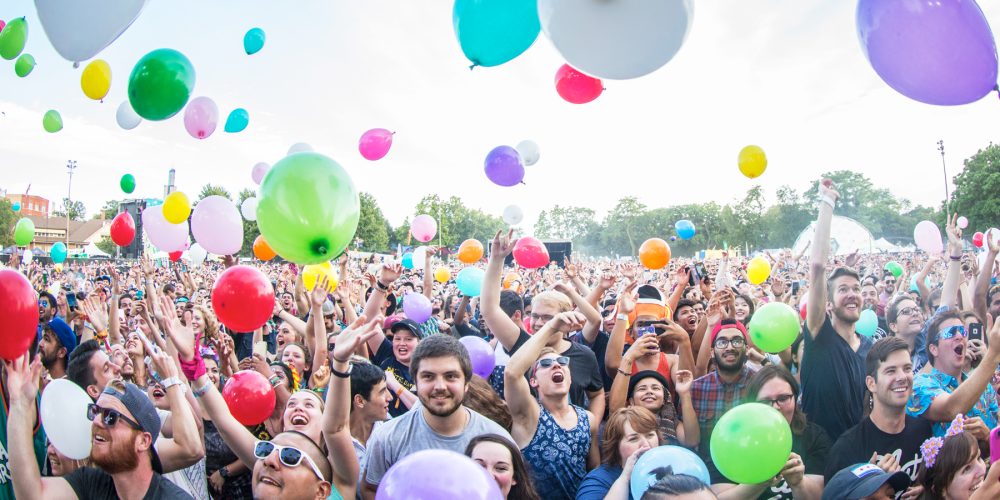

Introduction: Beyond Gatherings and Agendas
At first glance, an event might seem like a simple congregation of people—whether in a boardroom, a banquet hall, or an open field. But in truth, events are so much more than scheduled gatherings. They are deliberate moments in time crafted to inform, celebrate, connect, and inspire. From a modest book launch to an international summit, events shape culture, forge relationships, and drive progress in ways both subtle and profound.
To understand events is to appreciate the delicate orchestration of logistics, creativity, and human psychology that turns a date on the calendar into a memorable milestone.
The Timeless Human Need for Events
Throughout history, societies have organized events to mark beginnings, honor endings, and elevate life’s in-between moments. Festivals, religious ceremonies, political rallies, and public spectacles date back to ancient civilizations where they often signified unity, ritual, and power.
Today, our motivations for gathering remain deeply rooted in the same desires: to witness, to share, to learn, and to celebrate together. Events continue to provide an essential counterbalance to an increasingly digital, fragmented world.
The Diverse Universe of Events
Modern events come in countless shapes and sizes. Each carries its unique set of expectations, challenges, and rewards.
The Most Common Types of Events Include:
-
Corporate Events: Conferences, seminars, product launches, and networking mixers that drive professional growth and business development.
-
Social Events: Weddings, birthdays, anniversaries, and reunions where personal milestones are honored in the company of loved ones.
-
Cultural and Community Events: Festivals, parades, and local fairs that celebrate heritage, artistry, and community spirit.
-
Fundraising Events: Galas, auctions, and charity runs that raise awareness and vital funds for causes.
-
Public and Political Events: Rallies, public lectures, and commemorations that shape civic dialogue and collective memory.
-
Virtual and Hybrid Events: Webinars, online workshops, and digital conferences that transcend geography to bring people together remotely.
What Makes an Event Successful?
Behind every memorable event lies careful planning, clear purpose, and an understanding of the audience.
1. Purpose and Vision
Every successful event starts with a clear “why.” Is it to entertain, to educate, to commemorate, or to mobilize? The objective shapes every element, from program flow to venue choice.
2. Audience Experience
Exceptional events prioritize the experience of attendees. It’s not enough to fill a room; the goal is to captivate hearts and minds. This means seamless logistics, engaging content, comfortable settings, and thoughtful details that make guests feel seen and valued.
3. Storytelling and Atmosphere
Great events tell a story. The narrative might be subtle—woven through décor, music, and stage design—or overt, delivered through keynote speeches or thematic performances. This storytelling is what makes an event resonate long after guests leave.
4. Flawless Execution
Logistics can make or break an event. Behind the scenes, planners juggle vendors, caterers, entertainment, and contingencies for every imaginable hiccup, from sudden weather changes to unexpected guest needs.
The Economic and Social Impact of Events
Events are more than isolated celebrations or professional obligations—they are powerful economic engines and community builders.
Consider Their Broader Impact:
-
Economic Boost: Conferences and large-scale festivals generate revenue for hotels, restaurants, transportation services, and local businesses.
-
Job Creation: The events industry sustains an entire ecosystem of planners, designers, caterers, entertainers, and technical crews.
-
Community Cohesion: Local events strengthen neighborhood bonds, preserve cultural traditions, and foster civic pride.
-
Knowledge Sharing: Academic and industry conferences propel innovation by connecting minds and ideas that might otherwise never meet.
Trends Shaping the Future of Events
The way we plan and experience events is constantly evolving. Recent years have accelerated change in unexpected ways.
Emerging Trends Include:
-
Hybrid Events: The pandemic era revolutionized how we gather, making virtual access and streaming essential components of even traditional in-person events.
-
Sustainability: Eco-friendly practices are now non-negotiable. Planners are ditching single-use materials, favoring local vendors, and designing zero-waste experiences.
-
Personalization: From custom name badges to curated networking, guests expect events to feel tailored and relevant to their needs and interests.
-
Technology Integration: Augmented reality, event apps, and interactive installations offer dynamic ways to engage participants.
-
Well-being and Inclusivity: Forward-thinking events consider physical comfort, mental health, accessibility, and representation in every aspect of their design.
The Unsung Heroes: Event Professionals
While guests often see only the final polished product, successful events are the result of tireless behind-the-scenes work. Event planners, coordinators, production managers, and volunteers balance creativity with crisis management, often working long, unpredictable hours to ensure that every detail aligns with the vision.
Key Skills of Great Event Professionals:
-
Organization and Multitasking: Juggling multiple moving parts while maintaining calm under pressure.
-
Creativity: Designing fresh, immersive experiences that delight and surprise.
-
Communication: Serving as the crucial link between clients, vendors, and attendees.
-
Problem-Solving: Turning unexpected problems into seamless solutions, often in real time.
How to Make Your Next Event Memorable
Planning an event—big or small—can feel daunting, but a few guiding principles can transform stress into success.
-
Define Clear Goals: Know exactly what you want your event to achieve.
-
Know Your Audience: Tailor the program, food, and ambiance to your guests’ tastes and expectations.
-
Plan for the Unexpected: Always have a backup plan for weather, technology glitches, or last-minute changes.
-
Engage the Senses: Incorporate visuals, music, aromas, and tactile details that create an immersive atmosphere.
-
Gather Feedback: Post-event surveys or informal conversations help you learn what worked—and what didn’t—for next time.
Conclusion: Celebrating the Human Connection
Events, at their best, remind us why coming together matters. In an increasingly virtual age, they prove that while technology may connect us digitally, true connection thrives in shared laughter, meaningful conversations, and collective moments that cannot be replicated on a screen.
Whether it’s a milestone wedding, a thought-provoking seminar, or a spirited local festival, events breathe life into ideas and communities alike. They honor our timeless need to gather, celebrate, and move forward—together.

Comments are closed.