

Introduction: An Invitation Is Never Just Paper
In a world where messages fly instantly across screens, the humble invitation remains one of the most enduring and meaningful traditions. An invitation is far more than an announcement of date and place; it is a carefully composed introduction, a whisper of what is to come, and a reflection of the host’s intent and style. Whether printed on heavy cardstock, hand-delivered in a sealed envelope, or arriving as a sleek digital design in your inbox, a well-crafted invitation sets the tone long before the event begins.
At its best, an invitation is an elegant bridge between idea and experience, carrying with it a promise that something worth gathering for lies ahead.
The Cultural and Emotional Weight of Invitations
Invitations hold a significance rooted deeply in our social customs. Long before email and social media RSVPs, invitations were handwritten notes, sealed with wax, and carried across cities and continents as gestures of honor. To be invited was to be seen and included; to extend an invitation was to offer connection and welcome.
Even now, amidst modern conveniences, the symbolic power remains. An invitation implies trust, thoughtfulness, and a desire to gather others under a common purpose—be it celebration, reflection, or collaboration.
Types of Invitations: A Reflection of Purpose
From milestone celebrations to professional functions, invitations come in countless forms, each tailored to the occasion’s character and audience.
Common Types of Invitations Include:
-
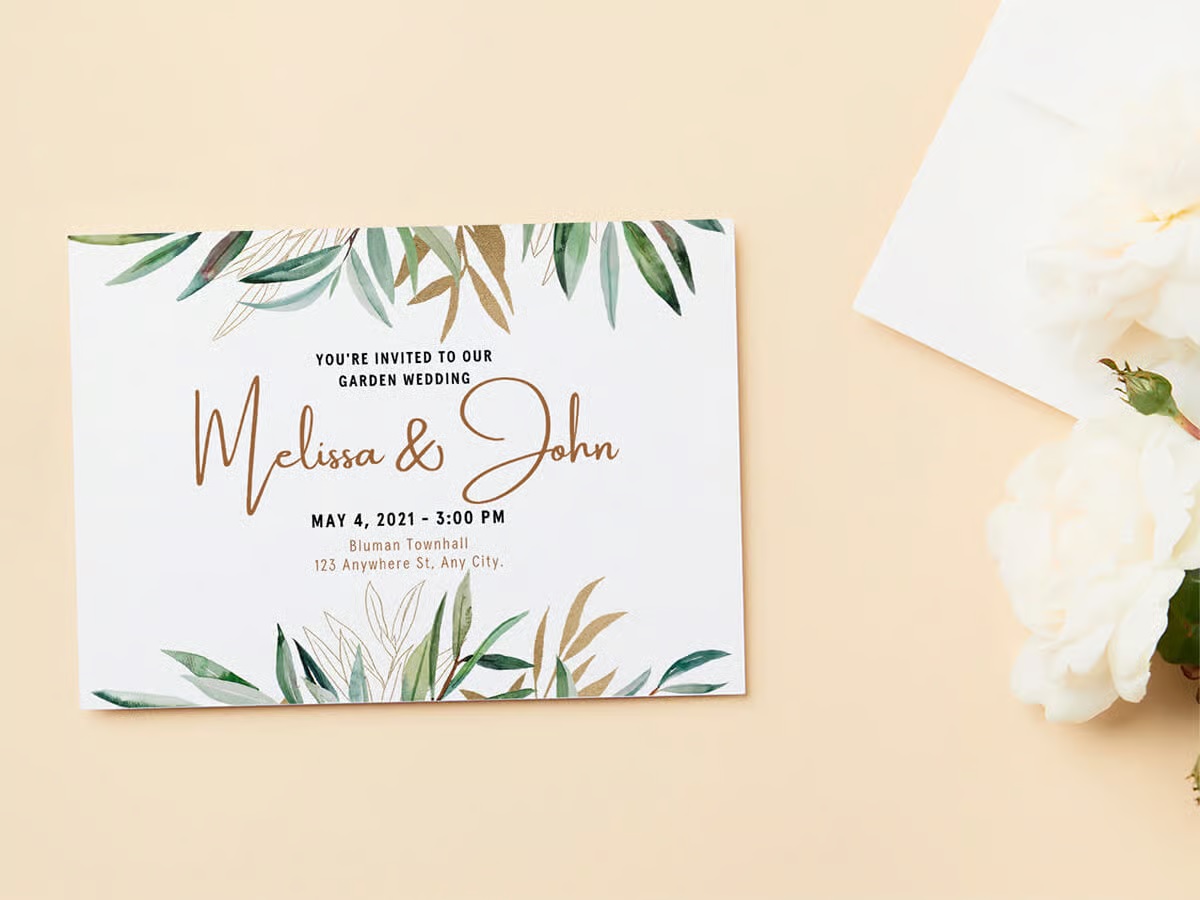
Wedding Invitations: Often the most lavish and meticulously designed, wedding invitations encapsulate the couple’s personality, cultural traditions, and the grandeur or intimacy of the ceremony.
-
Social Invitations: Birthdays, anniversaries, baby showers, and housewarmings use invitations to infuse warmth and excitement, setting expectations for the celebration’s mood.
-
Corporate Invitations: Business launches, networking events, or gala dinners rely on sleek, brand-aligned invitations that balance professionalism with hospitality.
-
Public and Community Event Invitations: Fundraisers, festivals, and local gatherings use invitations to spark interest and mobilize community participation.
-
Digital Invitations: E-cards, event websites, and social media invites have become essential for modern hosts, offering convenience, speed, and eco-friendly appeal.
The Anatomy of a Thoughtful Invitation
Behind every beautiful invitation lies a blend of aesthetic sensibility, practical information, and an understanding of etiquette.
1. Essential Details
At its core, an invitation must answer the who, what, when, where, and how:
-
Who is hosting?
-
What is the occasion?
-
When and where will it be held?
-
How should guests respond, and by when?
A well-written invitation leaves no room for guesswork.
2. Tone and Style
An invitation’s language, design, and delivery method signal the event’s tone. An embossed, calligraphed card implies formality and tradition. A playful, colorful e-invite might hint at a casual backyard gathering. The tone should always match the event’s spirit and the host’s personality.
3. Design and Materials
From minimalist monochrome designs to elaborate foil embossing and hand-torn edges, the physical or digital presentation is part of the invitation’s allure. Quality paper, unique textures, or subtle embellishments can transform a simple card into a keepsake.
The Unspoken Etiquette of Invitations
Invitations carry a code of courtesy and respect that shapes social interactions.
-
Timeliness: Invitations should be sent out with ample notice—generally six to eight weeks for weddings, and at least two weeks for informal gatherings.
-
Clarity: Include clear instructions for RSVPs, dress codes, or special requests such as dietary requirements.
-
Respect for Guests: Personalization—using names, handwritten notes, or tailored messages—makes invitees feel valued and seen.
-
Follow-Up: Gentle reminders or confirmations help hosts plan effectively without appearing intrusive.
The Rise of Digital Invitations
In recent years, digital invitations have transformed how we gather people together. Platforms like Paperless Post, Evite, and bespoke event websites allow hosts to reach guests instantly and track responses effortlessly.
Advantages of Digital Invitations:
-
Speed and Convenience: Instantly delivered and easy to update with last-minute changes.
-
Cost-Effective: Eliminates printing and postage expenses.
-
Environmentally Friendly: Reduces paper waste and carbon footprint.
-
Interactive Elements: Maps, RSVP tracking, playlist sharing, and live updates enhance the guest experience.
Yet, for some occasions—especially once-in-a-lifetime milestones—many still cherish the tangible beauty of a printed invitation, kept long after the celebration as a memento.
Creative Trends in Modern Invitations
Just as events themselves evolve, so too do invitations, reflecting shifts in design sensibility, technology, and cultural values.
-
Sustainable Materials: Recycled paper, seed-infused cardstock, or biodegradable inks align with eco-conscious values.
-
Artisanal Touches: Hand-lettering, wax seals, and custom illustrations add an intimate, bespoke feel.
-
Interactive Designs: Invitations that unfold like a story, reveal hidden compartments, or double as décor pieces delight recipients.
-
Storytelling Elements: Couples increasingly use invitations to share their love story, from engagement photos to illustrated timelines.
Crafting Invitations: Tips for Hosts
Whether planning a wedding or an informal dinner, crafting an invitation with care elevates the entire event.
-
Start Early: Give yourself time to design, print, and address invitations without last-minute stress.
-
Be Thoughtful with Wording: Choose language that reflects you and the spirit of the event. For formal events, traditional wording often works best; for casual gatherings, warmth and playfulness are welcome.
-
Check for Accuracy: Triple-check dates, addresses, and contact details. Small errors can cause big confusion.
-
Add a Personal Touch: A handwritten note or custom design shows guests they are more than just another name on a list.
Conclusion: Invitations as an Enduring Gesture of Connection
In a world increasingly defined by instant, disposable communication, the art of the invitation remains a meaningful gesture—a pause that says, “You matter. I want you here.”
An invitation, no matter how simple or grand, is an extension of the host’s hospitality and vision. It reminds us that the best moments in life are those we choose to share. So whether you’re mailing elegant embossed cards or sending a creative digital RSVP, remember this: the invitation is not merely a gateway to an event, but a symbol of inclusion, thoughtfulness, and the timeless human need to gather and celebrate together.

Comments are closed.