
Beyond Four Walls: The Enduring Importance of Venues in Shaping Memorable Events

Introduction: The Venue as the Silent Host
When guests arrive at any event—be it a wedding, a conference, or a concert—what greets them first is not the music or the food, but the space itself. A venue is far more than bricks and beams; it is the silent host that sets the scene, dictates the mood, and frames every interaction within its walls (or under its open sky). It is the canvas upon which planners and hosts paint their vision, hoping to leave a lasting impression long after the last guest has departed.
In a time when digital gatherings and virtual meet-ups have claimed their place, the enduring magic of physical venues remains undeniable. They remind us that humans crave shared experiences rooted in place—a need that only grows stronger as the world becomes more connected yet paradoxically distant.
The Many Faces of Venues
Venues are as diverse as the occasions they hold. From intimate backyard gardens to towering ballrooms and cavernous industrial warehouses, each venue carries its unique charm, constraints, and possibilities.
Popular Types of Venues Include:
-
Banquet Halls and Ballrooms: A timeless choice for weddings, galas, and milestone celebrations, offering a blank slate ready to be transformed with décor.
-
Outdoor Spaces: Vineyards, gardens, beaches, and rooftop terraces provide natural beauty and an atmosphere that feels alive with the elements.
-
Historic and Cultural Venues: Castles, museums, libraries, and heritage homes lend character and story, imbuing events with a sense of timelessness.
-
Conference Centers and Hotels: Designed with functionality in mind, they offer turnkey solutions for corporate events, with amenities that simplify logistics.
-
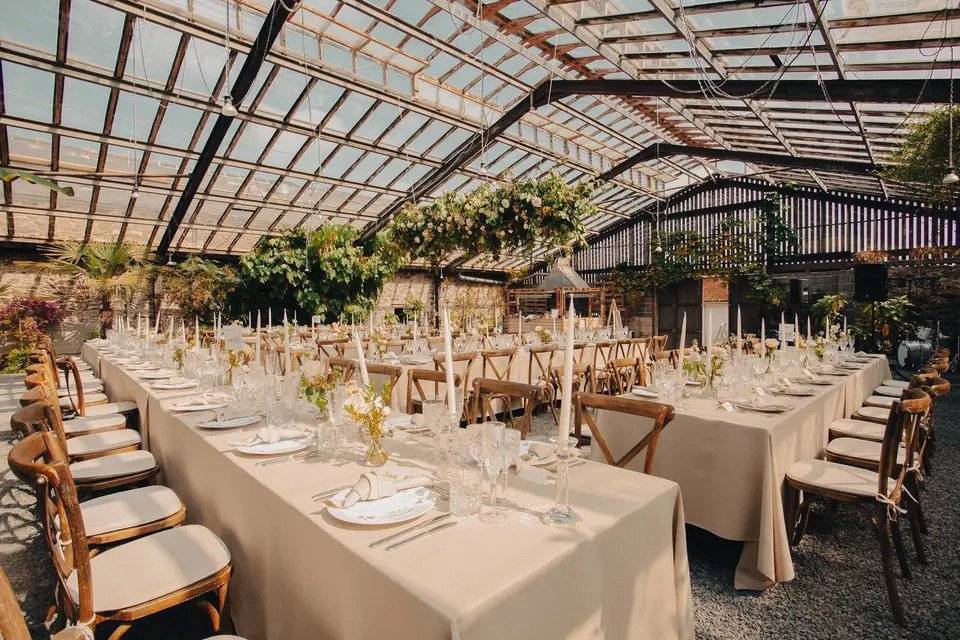
Non-Traditional Venues: Warehouses, barns, lofts, and art galleries are increasingly popular for couples and brands seeking unique, memorable backdrops.
-
Hybrid and Virtual-Friendly Spaces: Modern venues now integrate technology to support live streaming, catering to guests who cannot attend in person.
The Psychology of Space: Why the Venue Matters
A venue is never just about capacity and location—it shapes how guests feel and interact. The right venue amplifies the host’s vision and purpose.
-
Atmosphere: A grand cathedral ceiling or sweeping vineyard vista creates an instant sense of awe. A cozy loft or intimate library evokes warmth and closeness.
-
Flow: Smart venue layouts guide people intuitively from welcome drinks to dinner, speeches, and dancing, minimizing bottlenecks and maximizing comfort.
-
Acoustics and Lighting: Thoughtful design ensures music sounds crisp, speeches are heard, and lighting shifts gracefully to match the event’s mood.
-
Memory Making: Unique features—stained glass windows, an ocean view, historic architecture—become talking points that guests remember and share.
Choosing the Right Venue: A Balance of Dreams and Practicalities
Selecting the perfect venue is often the first—and most pivotal—decision in event planning. It is where vision meets reality and budgets meet blueprints.
Key Considerations When Choosing a Venue:
-
Capacity and Layout: Can it comfortably accommodate your guest list, entertainment, and dining arrangements?
-
Location and Accessibility: Is it convenient for guests to reach? Are there ample parking options or nearby accommodations?
-
Ambience: Does it align with the mood you wish to create—formal, rustic, modern, or whimsical?
-
Amenities: Does it offer essentials like tables, chairs, sound systems, and catering spaces, or must these be sourced separately?
-
Flexibility: Can the space adapt to unpredictable weather or last-minute changes?
-
Restrictions: Are there noise ordinances, décor limitations, or strict vendor lists that may constrain your plans?
Venues as Economic and Community Anchors
Beyond hosting beautiful moments, venues play a vital role in local economies and cultural preservation.
-
Economic Impact: Event venues generate significant revenue for cities through tourism, hospitality, and local businesses. Guests dine in neighborhood restaurants, book local hotels, and shop nearby stores.
-
Job Creation: From venue managers and event coordinators to caterers and security staff, venues sustain entire ecosystems of employment.
-
Preserving Heritage: Historic venues breathe life into old buildings, funding their upkeep and preserving them for future generations.
Trends Shaping the Future of Venues
As guest expectations evolve, so too do the spaces that welcome them.
Emerging Venue Trends:
-
Sustainable Spaces: Eco-friendly venues with renewable energy sources, water conservation systems, and zero-waste practices are in demand among environmentally conscious hosts.
-
Multi-Functional Spaces: Venues designed to morph between different event types—business meetings by day, social gatherings by night—offer hosts flexibility and value.
-
Outdoor and Open-Air Venues: Especially post-pandemic, fresh air and open layouts remain attractive for safety and ambiance.
-
Tech-Integrated Venues: Fast internet, live-stream capabilities, and virtual reality features are becoming standard in modern event spaces.
-
Destination Venues: Unique, immersive locations—think mountaintop lodges or private islands—appeal to guests seeking a memorable experience wrapped in a getaway.
The Venue Manager: The Guardian of Experience
Behind every seamless venue experience is a team that balances hospitality, logistics, and crisis management. Venue managers ensure everything from fire codes to catering timelines is handled with discretion and professionalism.
Traits of Exceptional Venue Managers:
-
Attention to Detail: They anticipate what guests need before they ask.
-
Flexibility: When weather shifts or guest numbers change, they pivot gracefully.
-
Partnerships: They maintain trusted relationships with vendors, ensuring smooth coordination on event day.
-
Customer Care: They balance the needs of hosts, guests, and staff, ensuring everyone feels welcome and valued.
Making the Most of Any Venue
Once a venue is chosen, the task shifts to transforming it into an environment that feels uniquely yours.
Tips for Elevating Any Space:
-
Work with the Architecture: Highlight existing beauty rather than masking it. A grand staircase or vintage fireplace can be a stunning focal point.
-
Maximize Lighting: Use uplighting, candles, or fairy lights to create warmth and depth.
-
Flow Matters: Ensure furniture, food stations, and entertainment areas allow guests to move easily.
-
Personal Touches: Small, thoughtful details—family photos, custom signage, or personalized favors—make the venue feel less like a rental and more like your own.
Conclusion: More Than a Place—A Feeling
At its heart, a venue is not merely a place to gather; it is a vessel for connection, emotion, and story. Long after the music fades and the tables are cleared, what remains in our memory is not just the walls and floors but the way a space made us feel—welcomed, inspired, part of something special.
So whether you’re planning an intimate gathering under the stars or a grand celebration in a gilded hall, choose your venue wisely. It is, after all, the silent host that sets the stage for everything that follows—a guardian of atmosphere, a keeper of moments, and the soul of the occasion itself.

Comments are closed.