
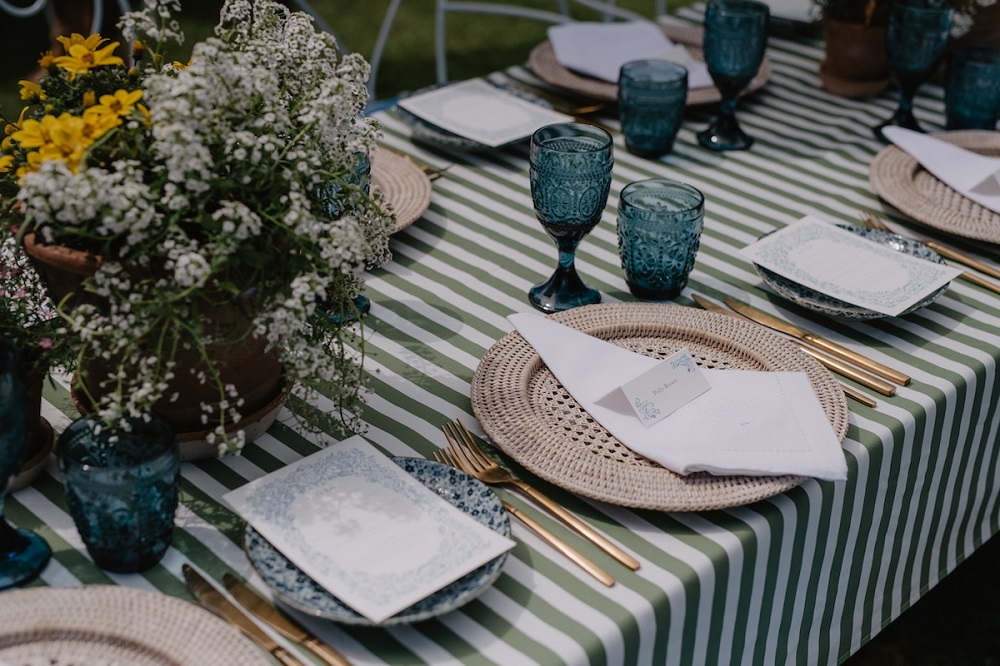

Setting a captivating table is one of the most effective ways to elevate a celebration and establish a memorable ambiance. Whether hosting an intimate dinner party, an anniversary celebration, a festive holiday gathering, or a milestone birthday, a thoughtfully designed tablescape communicates care and sets the emotional tone for the event.
Modern table styling goes beyond traditional tablecloths and matching dinnerware sets. Today’s most compelling table designs blend texture, height variation, lighting, personalized details, and unexpected organic elements to create immersive visual experiences. By mastering core styling principles, hosts can transform any dining surface into a stunning backdrop for connection and celebration.
Foundation First: Selecting Base Linens and Textures
Every memorable tablescape begins with a solid foundation. The choice of linens or bare table surfaces sets the structural and tactile tone for the entire design.
Layering Fabric Textures
Rather than relying on a single flat tablecloth, layering fabrics creates depth and visual warmth. Combine different weights and weaves to build an inviting surface:
-
Natural Linen Runners: Drape an unironed, slubbed linen runner loosely over a bare wooden or stone table for a relaxed, modern aesthetic.
-
Velvet or Satin Bases: Use rich jewel-toned velvet or smooth satin tablecloths for evening events, black-tie dinners, or formal winter holidays to introduce an immediate sense of luxury.
-
Cheesecloth and Sheer Swaths: Bunch lightweight sheer fabrics along the center of the table to serve as a soft, cloud-like bed for candles and floral arrangements.
Exposing Natural Materials
When working with high-quality dining tables made from reclaimed wood, polished marble, or terrazzo, consider skipping full tablecloths entirely. Using woven placemats or narrow runners highlights the natural beauty of the underlying material while maintaining targeted surface protection.
Designing Dynamic Centerpieces
The centerpiece serves as the visual anchor of the table. A common mistake is creating a single, tall arrangement that blocks line-of-sight across the table, hindering conversation between guests. Modern styling emphasizes low-profile, multi-element centerpieces that flow organically down the length of the surface.
Low-Profile Floral Landscapes and Bud Vases
Instead of one large central bouquet, distribute florals across a collection of small bud vases, ceramic bottles, or vintage glassware.
-
Mixed Heights: Cluster bud vases in odd numbers (groups of three or five) along the table runner, varying the heights of stems to create rhythmic visual interest.
-
Seasonal Stems: Source seasonal blooms or trailing greenery, such as eucalyptus, olive branches, or ruscus, to weave directly onto the table surface between glassware.
-
Single-Variety Focus: Grouping a single floral type—such as all white tulips, deep red dahlias, or dried pampas grass—delivers a bold, contemporary statement without visual clutter.
Edible Centerpieces and Grazing Surfaces
Edible decor combines aesthetics with functionality, inviting guests to interact with the tablescape from the moment they sit down.
-
Artisanal Fruit Displays: Scatter whole and sliced fruits—pomegranates, figs, blood oranges, grapes, and pears—along the center runner to introduce vibrant, natural colors and rich textures.
-
Gourmet Bread and Herb Displays: Place tall glass jars filled with artisanal breadsticks, flanked by terracotta bowls of olive oil, fresh rosemary sprigs, and flaky sea salt along the middle of the table.
Mastering Mood Lighting with Candles and Accents
Lighting transforms the emotional feel of a room faster than any other decorative element. Combining multiple candle styles at varying heights produces a warm, flickering glow that encourages relaxation and intimate conversation.
Combining Candle Styles
-
Taper Candles: Tall, slender taper candles in brass, ceramic, or glass holders provide elegant vertical lines that draw the eye upward without blocking views.
-
Pillar and Hurricane Lamps: Group thick pillar candles inside clear glass hurricane sleeves for safety and draft protection, especially for outdoor celebrations or tented events.
-
Votive and Tea Light Layering: Nestles small glass votives amidst greenery and floral stems to illuminate the lowest plane of the table layout.
To avoid overwhelming guests during a meal, always choose unscented candles for the dining table. Scented candles should be reserved for entryways or living spaces so they do not interfere with food aromas.
Curating Place Settings and Personalized Touches
The place setting is where guests experience your design up close. Thoughtful, tactile details at individual seats make attendees feel truly welcomed and valued.
Layered Place Settings
Build each place setting intentionally using a structured layering approach:
-
Charger Plates: Establish an anchor using ceramic, woven rattan, glass, or metallic charger plates beneath the main dinnerware.
-
Contrast Dinnerware: Layer dinner and salad plates in contrasting colors or subtle patterns to build dimensional interest.
-
Textured Napkins: Fold or knot cloth linen napkins casually across the top plate, or thread them through unique napkin rings made of wood, brass, or braided rope.
Creative Place Cards and Menus
Personalized stationery adds a refined touch to any celebration.
-
Natural Elements as Place Cards: Write guest names on smooth river stones, dried bay leaves, small pressed wooden tiles, or fresh citrus fruits using paint pens.
-
Interactive Place Cards: Print small conversation starters or a fun personal memory on the back of each name card to break the ice among guests seated together.
-
Printed Individual Menus: Tuck a printed menu card into the folds of the napkin, topped with a small sprig of fresh lavender, rosemary, or a single blossom.
Themed Table Schemes for Specific Occasions
Adapting these styling rules to specific themes helps create a cohesive aesthetic tailored to the celebration.
Modern Rustic Gathering
-
Color Palette: Warm terracotta, sage green, cream, and natural wood tones.
-
Key Elements: Bare wooden table base, crinkled linen runners, ceramic speckled plates, amber glass votives, and wild greenery garlands woven with dried lagurus (bunny tails).
Formal Elegance and Evening Galas
-
Color Palette: Charcoal grey, crisp white, gold, and deep burgundy.
-
Key Elements: Monochromatic white linens, polished crystal stemware, gold-rimmed charger plates, tall white taper candles in brass holders, and tight clusters of white roses or calla lilies.
Vibrant Summer Garden Party
-
Color Palette: Soft pastels, lemon yellow, sky blue, and fresh grass green.
-
Key Elements: Patterned floral or gingham tablecloths, woven rattan placemats, mismatched vintage glassware, bowls of fresh lemons and limes, and colorful bud vases filled with field flowers.
Frequently Asked Questions
How do I prevent table decorations from feeling cluttered or overcrowded?
Maintain balance by following the rule of functional spacing. Ensure that place settings, glassware, and shared serving platters have clear space. Keep centerpieces narrow—occupying no more than the middle third of the table’s width—and group decorative items in clusters rather than scattering individual pieces randomly.
What is the ideal height for a dinner table centerpiece?
To keep sightlines clear for conversation across the table, centerpieces should remain under twelve inches tall. If you prefer tall arrangements, ensure the flowers or decor begin above twenty-four inches, elevated by slender pedestals or narrow glass vases that do not block eye level.
How far in advance can I set the table for a special occasion?
Non-perishable elements—such as linens, chargers, flatware, glassware, candle holders, and printed stationery—can be set one to two days in advance. Fresh flowers, fresh fruit, and water glasses should be placed on the table on the day of the event to preserve freshness.
How can I decorate a long rectangular table versus a round table?
For long rectangular tables, use linear styling: run continuous runners, garlands, or repeating clusters of bud vases and candles down the center. For round tables, focus on a singular, balanced central grouping that looks complete from a three-hundred-sixty-degree angle, leaving equal border space for surrounding place settings.
What are eco-friendly alternatives to traditional plastic table decor?
Choose natural, biodegradable, and reusable materials. Opt for real cloth linens instead of disposable covers, use potted herbs or living plants that guests can take home instead of cut flowers, and incorporate natural elements like wood, stones, and fresh seasonal fruits.
How do I style a table on a tight budget without sacrificing elegance?
Focus on low-cost, high-impact items. Buy bulk taper candles and glass votives, collect wild greenery or branches from your garden, and use mismatched vintage glassware or plates sourced from thrift stores. A monochromatic color scheme—such as all-white plates and linens paired with greenery—always looks expensive regardless of cost.
Should napkins match the tablecloth exactly?
Matching napkins and tablecloths creates a classic, formal look, but it is not required. Mixing subtle complementary colors or textures—such as pairing a smooth cream tablecloth with dusty rose or sage green linen napkins—adds modern depth and prevents the table setting from feeling overly flat.

Comments are closed.