
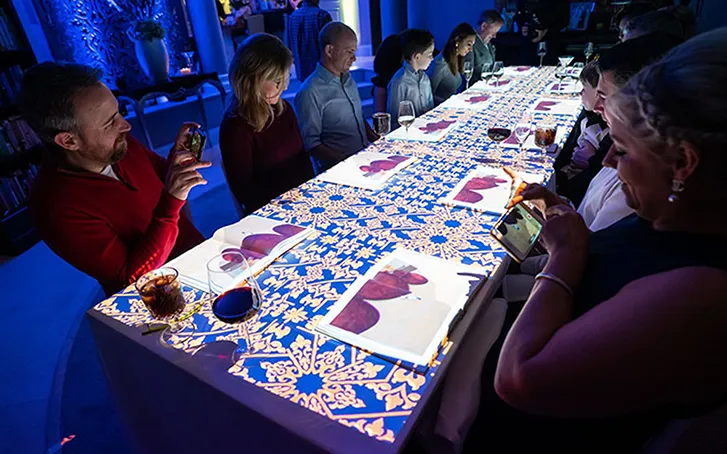

The event industry has undergone a radical transformation in recent years. What used to be predictable, formulaic gatherings—whether weddings, corporate galas, or milestone birthday parties—have evolved into highly curated, immersive experiences. Today’s hosts and event planners are abandoning cookie-cutter templates in favor of personalization, sustainability, multi-sensory design, and technology-driven engagement.
Driven by changing social values and a desire for authentic connection, modern celebrations prioritize how an event feels rather than just how it looks. Understanding the top event trends shaping the landscape helps hosts create memorable gatherings that resonate deeply with attendees.
Experiential and Immersive Design Takes Center Stage
Static decor and traditional sit-down formats are giving way to experiential design. Modern event planners design spaces that actively engage guests from the moment they arrive, encouraging participation rather than passive observation.
Multi-Sensory Environments
Instead of focusing solely on visual elements like floral arrangements and lighting, modern celebrations activate all five senses. Strategic scent mapping uses subtle fragrances to evoke specific moods in different rooms. Curated auditory soundscapes transition seamlessly as the event progresses, while interactive food stations and tactile decor elements—such as textured fabrics and natural stone installations—create a multi-layered environment.
Interactive Installation Art
Generic photo backdrops are being replaced by large-scale interactive art installations. Live mural painting, spatial projection mapping, and kinetic lighting structures turn event venues into living galleries. These installations serve a dual purpose: they act as breathtaking decor while offering guests an engaging, shareable activity.
Hyper-Personalization over Standard Traditions
Outdated event traditions are being re-evaluated. Contemporary hosts choose to keep only the customs that carry genuine personal meaning, replacing generic practices with bespoke touches that reflect their unique stories, tastes, and values.
Tailored Narrative Touchpoints
From custom stationery featuring hand-drawn maps of meaningful locations to personalized cocktail menus named after shared memories, story-driven details are everywhere. Instead of generic party favors, hosts offer curated items like local artisan foods, customized scent bottles, or charitable donations made in guests’ names.
Unconventional Formats and Timelines
Rigid event itineraries are being replaced by fluid, guest-centric scheduling. Hosts are opting for progressive dinners across multiple spaces, weekend-long festival-style celebrations, or intimate daytime gatherings. The emphasis is on eliminating dead time and maintaining a natural, relaxed event momentum.
Sustainable and Environmentally Conscious Gathering
Eco-conscious event planning is no longer a niche preference; it is a fundamental standard across the celebration industry. Hosts and planners actively seek ways to minimize environmental impact without compromising on elegance or luxury.
Zero-Waste Catering and Local Sourcing
Catering menus are increasingly focused on farm-to-table dining, highlighting seasonal, locally sourced ingredients that reduce carbon footprints. Excess food management strategies, such as partnering with local food rescue organizations, ensure minimal waste. Furthermore, plant-forward and fully vegan menu options have moved into the culinary mainstream.
Conscious Decor and Material Selection
Potted plants, trees, and living botanical walls are replacing single-use cut flowers, allowing greenery to be replanted after the event. Decor rental models, digital invitations, zero-plastic bar setups, and compostable serveware are standard choices for environmentally minded planners.
Tech-Enhanced Guest Experiences
Technology in modern events is designed to be invisible yet impactful, enhancing convenience and engagement without creating digital barriers between guests.
Projection Mapping and Dynamic Lighting
Projection mapping transforms plain architectural surfaces into dynamic visual displays. A single ballroom can seamlessly shift from a lush tropical rainforest during dinner to a starry night sky during speeches, and finally into a vibrant neon cityscape for late-night dancing, all without physical set changes.
Frictionless Event Logistics
Digital tools streamline the entire guest journey. Electronic RSVP management, custom event apps featuring real-time schedule updates, interactive seating maps, and QR-code beverage ordering eliminate logistics frustration, allowing guests to relax and enjoy the moment.
Curated Micro-Weddings and Intimate Gatherings
The rise of smaller, highly curated events continues to influence how people celebrate. Known as micro-events or boutique gatherings, these celebrations trade large guest lists for elevated individual experiences.
Higher Per-Guest Investment
By reducing the overall guest count, hosts allocate a larger portion of their budget toward premium food and beverage pairings, luxury transportation, bespoke favors, and high-end entertainment. Smaller guest counts also foster deeper, more meaningful conversations, making the event feel like an exclusive weekend retreat.
Residential and Unique Venues
Intimate gatherings allow hosts to utilize non-traditional venues that cannot accommodate massive crowds. Private estates, historic libraries, botanical glasshouses, art galleries, and scenic outdoor wilderness spaces offer inherent charm and character, reducing the need for extensive artificial decor.
The Evolution of Event Entertainment
Background bands and basic disc jockeys are giving way to multi-layered, interactive entertainment concepts that surprise and delight guests throughout the event timeline.
Hybrid Musical Performances
Hybrid entertainment mixes the energetic beats of a live disc jockey with the acoustic elegance of live instrumentalists—such as saxophonists, electric violinists, or percussionists—performing alongside the tracks. This blend creates an adaptable soundtrack that adjusts to the crowd’s energy level in real time.
Pop-Up Experiences and Live Crafting
Pop-up entertainment hubs keep guests engaged outside the dance floor. Live portrait painters, custom fragrance blending bars, tarot card readers, and artisanal coffee roasting stations offer personalized keepsakes and memorable interactions.
Frequently Asked Questions
What defines a micro-event and how many guests usually attend?
A micro-event is an intimate gathering that incorporates all the traditional elements of a major celebration but scaled down for a guest list typically ranging between fifteen and fifty people. The smaller scale allows for enhanced customization and higher per-guest investment in food, decor, and entertainment.
How can I make a large event feel intimate and personal?
Creating distinct zones within a large space helps maintain an intimate feel. Incorporate comfortable lounge seating clusters, interactive food stations, warm low-level lighting, and personalized touchpoints at individual seats to break up large crowds into engaging, approachable spaces.
What are simple ways to make a private celebration more eco-friendly?
Start by choosing digital invitations, sourcing food from local organic suppliers, utilizing living potted plants instead of single-use cut florals, eliminating single-use plastics at the bar, and renting linens, glassware, and furniture rather than purchasing disposable items.
How does projection mapping work for private events?
Projection mapping uses high-powered projectors guided by specialized software to map digital imagery onto three-dimensional physical surfaces like walls, ceilings, or arches. This creates dynamic, moving backgrounds and thematic shifts throughout the event without requiring physical decor changes.
Are traditional seated plated dinners still popular for celebrations?
While plated dinners remain a staple for formal events, many hosts now prefer family-style dining or interactive live food counters. Family-style dining encourages conversation and sharing across the table, while live food counters promote movement and mingling throughout the venue space.
What is the advantage of choosing a hybrid entertainment concept over a traditional band?
Hybrid entertainment combines the versatility and endless playlist options of a disc jockey with the live performance energy of professional musicians. This allows for seamless transitions between music genres, precise volume control during dining hours, and explosive energy during late-night dancing.
How far in advance should I plan an event incorporating modern custom trends?
Because modern trends emphasize custom elements—such as bespoke decor, personalized favors, specialized entertainment, and unique venues—it is best to start planning six to twelve months in advance to secure preferred vendors and allow sufficient time for custom fabrication and design.

Comments are closed.